
Can You Get a Replacement Car if the Insurers Don’t Admit Liability?
When involved in a road traffic accident, a common question is whether you can obtain a replacement car if the other driver’s insurers do not admit liability. This uncertainty can add stress to an already complex situation. Below, we explore the factors determining entitlement for a replacement car, the role of insurance providers, and the steps you can take to secure mobility—even when liability is not decided.
What is Liability in Road Traffic Accidents?
Liability refers to the responsibility for the damage caused by a vehicle in a road traffic accident. Insurers from both sides investigate the incident’s circumstances to determine liability. If the other driver’s insurers do not admit liability, it can complicate the claims process, including obtaining a replacement car.
Why Liability is Important
Establishing liability is critical for those involved in a road traffic accident. If you are the victim, you can typically claim against the other driver’s insurance to cover vehicle damage and, in many cases, secure a replacement vehicle while yours is repaired. However, if the other party disputes liability, this can delay your claim and complicate the process.
When liability is disputed, the following can occur:
- Delayed Claims Handling: Your insurer may need more time to investigate the accident before proceeding with your claim for vehicle repairs or hire cars.
- Increased Charges: You may be required to cover repair and rental vehicle costs upfront, especially if you rely on your insurance to cover these expenses.
- Legal Action: In some cases, you may need to initiate legal proceedings to recover damages if the at-fault party’s insurers deny your claim.
Replacement Vehicle Coverage
If liability is not admitted, whether you can get a replacement vehicle depends on your insurance coverage. Most comprehensive car insurance policies offer hire car cover (often called rental reimbursement), but this may be impacted if liability is under review.
Things to consider:
- Insurance Coverage Limits: Review your policy to understand what coverage is included. Many policies provide a courtesy car while your car is being repaired, even if the other driver’s insurance denies liability. However, the extent of this coverage may vary.
- Excess Insurance: If your policy does not include rental reimbursement, you may still be able to claim on your insurance, but it may not cover the full cost of a replacement vehicle.
- Paying Out of Pocket: If you have no courtesy car coverage, you may need to pay for a replacement vehicle yourself, with reimbursement pending the determination of liability.
Steps to Take When Liability is Not Admitted
If liability is disputed and you need a replacement vehicle, here’s what you can do:
.Contact Your Insurers: Report the accident immediately and discuss your coverage. Your insurer can help you understand your rights and assist in arranging a replacement car.
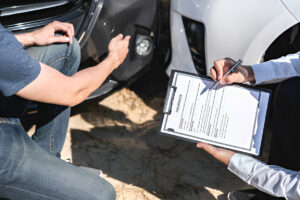
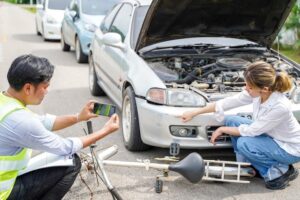
.Document Evidence: Record all relevant evidence, such as photos, police reports, witness statements, and any correspondence with insurers. Well-documented evidence will strengthen your case.
Search for Rental Discounts: If you need a replacement vehicle, consider using online platforms to compare rental prices and find discounts.
Explore Alternative Transport: In the interim, consider using public transport, ridesharing services, or borrowing a car from a family member.
Use Credit Hire Companies: If necessary, you can engage a credit hire company, which will provide a replacement vehicle while your car is being repaired. They will recover the costs from the at-fault driver’s insurance.
Seek Legal Advice: If disputes persist and you face financial difficulty, consult a legal professional specializing in car accidents to guide you.
What Happens If Liability is Not Admitted?
Even if the other driver’s insurers do not admit liability, you can still secure a replacement vehicle through credit hire companies. These companies will provide a car while yours is repaired and recover the cost from the at-fault driver’s insurance.
The Role of an Arbitrator
In some cases, hiring a mediator to facilitate communication between insurers can help resolve liability disputes more efficiently. Your insurance provider may also negotiate to expedite the resolution process.
Conclusion
Dealing with a road traffic accident where liability is not admitted can be complicated. However, several ways exist to secure a replacement vehicle or find alternative transportation. Key steps include reviewing your insurance coverage, documenting the accident thoroughly, and communicating with your insurer. If necessary, seeking legal advice can protect your rights and help you navigate the complexities of liability disputes.