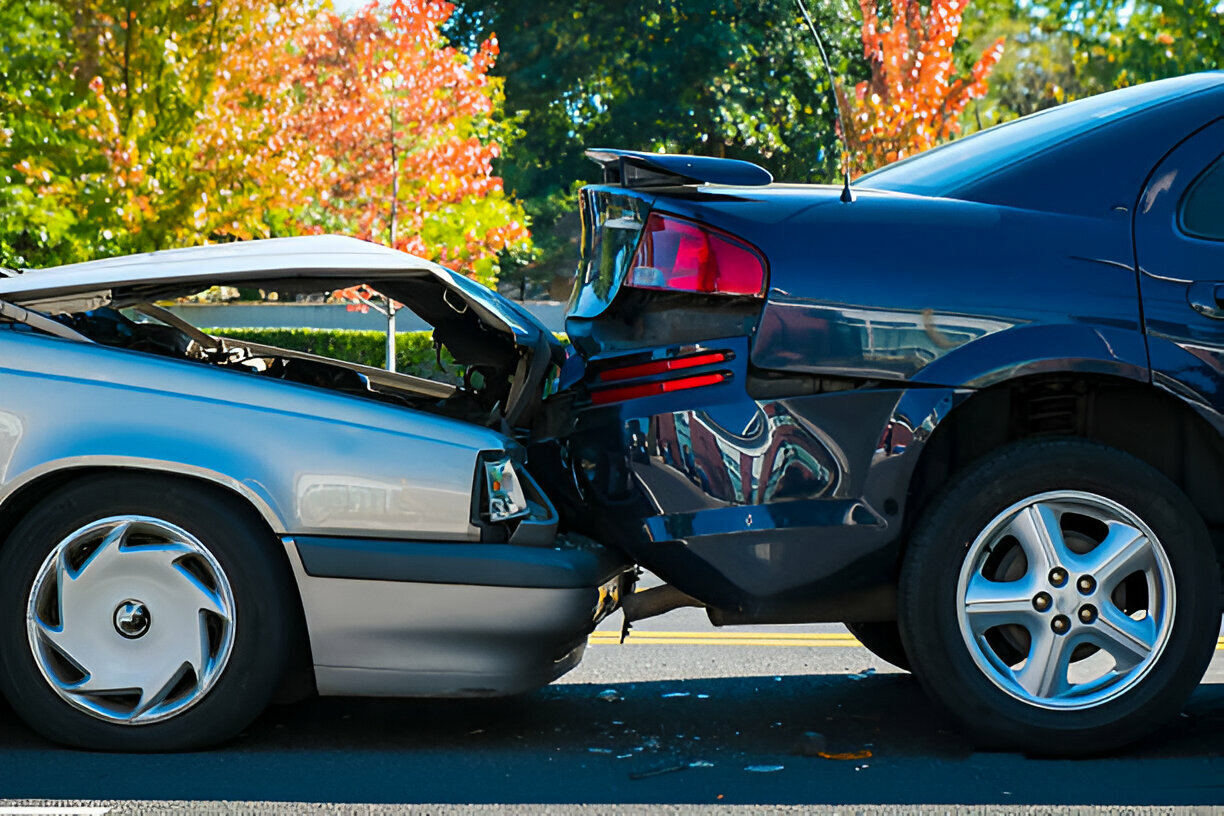
Road traffic accidents are unpredictable and even more frustrating when they’re not your fault. The situation becomes worse if your vehicle is damaged or even declared a write-off.
While your insurance will cover a write-off, it’s important to review your policy carefully.
In some cases, vehicles classified as Category S or N can be repaired even after being written off.
If the accident wasn’t your fault, you can claim compensation for your vehicle damages from the at-fault driver’s insurer at no cost to you.
To make a claim, you’ll need basic information from the at-fault driver, such as their insurance details, name, and vehicle registration number. Once you provide this, we’ll handle the rest of the process for you.
What is a car write-off?
If your insurance company has declared your vehicle un-roadworthy, it’s because the cost of repairs exceeds the vehicle’s value.
Write-Off Vehicles Categories
Written-off vehicles are classified into different categories:
Category N: Vehicles with non-structural damage, such as issues with steering or brakes, which can be repaired or replaced.
Category A: Vehicles are scrapped due to severe damage and cannot be sold or repaired.
Category B: Some parts of these vehicles can be salvaged or sold, but the vehicle itself cannot be repaired.
Category S: Vehicles with structural damage that can be repaired and returned to the road.
What happens to my insurance policy if my Vehicle is Written Off?

What Happens If Your Vehicle Is Written Off After an Accident?
If your vehicle is written off after an accident, your insurance premium may be affected. Your insurer will advise you not to drive an un-roadworthy vehicle due to safety concerns, high repair costs, and expensive damaged parts.
Key Points
Claim Against the At-Fault Driver
If the accident wasn’t your fault, you can claim vehicle damages from the at-fault driver’s insurer at no cost to you.
Settlement
Your insurance company will pay a settlement based on your vehicle’s market value at the time of the accident, minus any excess.
No-Claims Bonus
Depending on your policy, your no-claims bonus may remain unaffected.
Uninsured Drivers
If the at-fault driver is uninsured, we can claim through the Motor Insurers’ Bureau (MIB). With comprehensive insurance, you can claim without paying any excess if the other driver is at fault.
Immediate Steps to Take
- Contact Your Finance Provider
If your car is financed, inform your provider about the write-off and follow their procedures to settle any remaining balance.
- Contact Your Insurance Company
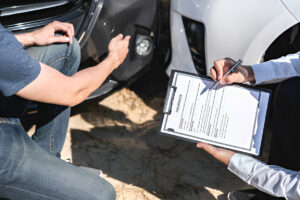
Report that your vehicle has been written off and that the accident wasn’t your fault. Provide all necessary documentation, including:
- Accident details
- Photos of the damage
- Witness statements
- Police report (if applicable)
- Medical reports related to injuries
Providing complete information ensures a smoother, quicker claims process. Our team can guide you through every step.
- Notify the DVLA
Inform the DVLA about your vehicle’s write-off status and provide your V5 logbook along with relevant documents to update their records.
Compensation for a Written-Off Vehicle
You may be entitled to compensation based on your vehicle’s pre-accident value, minus any excess. The payout may not fully cover the cost of a new vehicle. Promptly inform your insurance company within 24–48 hours to ensure timely payment.
You can use the insurance payout to replace or upgrade your written-off vehicle, depending on the settlement amount.
How Insurance Determines a Write-Off
Your insurer will assess your vehicle’s damages and may declare it a write-off if repair costs exceed a certain ratio of the vehicle’s value. For example, if your car is worth £10,000 and repairs exceed 60% of this value, it may be deemed uneconomical to repair. An assessor will inspect your vehicle and compile a detailed repair cost report.
Information Needed to Claim Insurance
To process your claim, your insurer will require:
- Insurance policy number
- Details of the at-fault party (contact info, insurance provider, etc.)
- Vehicle registration numbers of all parties involved
- Witness details
- Registered keeper details if the driver is not the owner
Why You Must Inform Your Insurer
Notifying your insurer ensures they are aware of the accident and prevents any unauthorized compensation payments.
Courtesy Vehicles
If your car is written off and the accident wasn’t your fault, we can claim directly from the at-fault driver’s insurance. This avoids excess payments and helps reduce costs for the at-fault insurer. During the process, we provide a like-for-like courtesy vehicle to keep you on the road until your write-off settlement is completed.
Road Tax
Once your car is written off, you can cancel its road tax and notify the DVLA that the vehicle is no longer in use.
Refusing a Write-Off
If your vehicle qualifies for repair, insurers may allow repairs instead of a write-off. For minor damage, repairs at approved garages can restore your vehicle to roadworthy condition.
Finance Payments
If your vehicle is written off and you have outstanding finance, you must continue monthly payments. Insurance payouts often cover only part of the remaining loan, so notify your finance provider promptly to discuss next steps.
Options for a Damaged Vehicle Not Written Off
If your vehicle is damaged but not written off, you can:
- Repair the Vehicle: Restore it to roadworthy condition through insurance or your own expense.
- Sell the Vehicle: Sell as-is, disclosing any damage to buyers.
- Scrap the Vehicle: Dispose of it at an authorized treatment facility following environmental regulations.
Regardless of your choice, continue making finance payments until the loan is fully settled to avoid penalties or credit issues. Always communicate with your finance provider about your obligations.